When to Call for Professional Carpet Mold Cleanup
You might not see it at first. A musty smell in the guest room, a dark patch near the baseboard, a persistent cough that seems worse when you are indoors. Carpet mold does not announce itself with a fanfare. It grows quietly, often hidden under furniture or in corners where moisture collects. And once it takes hold, the problem goes deeper than the carpet itself.
Many homeowners try to handle it themselves. They spray bleach, scrub the spot, and hope that is the end of it. But mold in carpet is rarely a surface issue. The roots of the problem - the microbial growth - extend into the padding and the subfloor. That is why professional carpet mold cleanup matters. It is not about cleaning the stain. It is about removing the source and preventing the mold from coming back.
I have seen this happen in houses that looked perfectly fine. A family noticed a small patch of discoloration near a window. They cleaned it with a store-bought spray and thought nothing of it. Six months later, the carpet had to be torn out. The mold had spread under the padding, and the subfloor was soft with rot. A proper abatement protocol would have caught it early.
What Professional Carpet Mold Cleanup Actually Involves
Professional mold remediation is not a single step. It is a process. The first thing a good contractor does is assess the extent of the damage. They use a moisture meter to check the carpet and the subfloor. They might also use thermal imaging to find hidden moisture pockets behind walls or under the flooring. This gives them a map of the problem before they touch anything.
Once they know what they are dealing with, they set up a containment barrier. This is critical. Mold spores are lightweight and can travel through the air. Without containment, you risk spreading the spores to other rooms. The containment barrier isolates the work area. Inside that area, they run an air scrubber with a HEPA filter to capture airborne spores. The HEPA vacuum is used on every surface - walls, baseboards, and the carpet itself - before any removal begins.
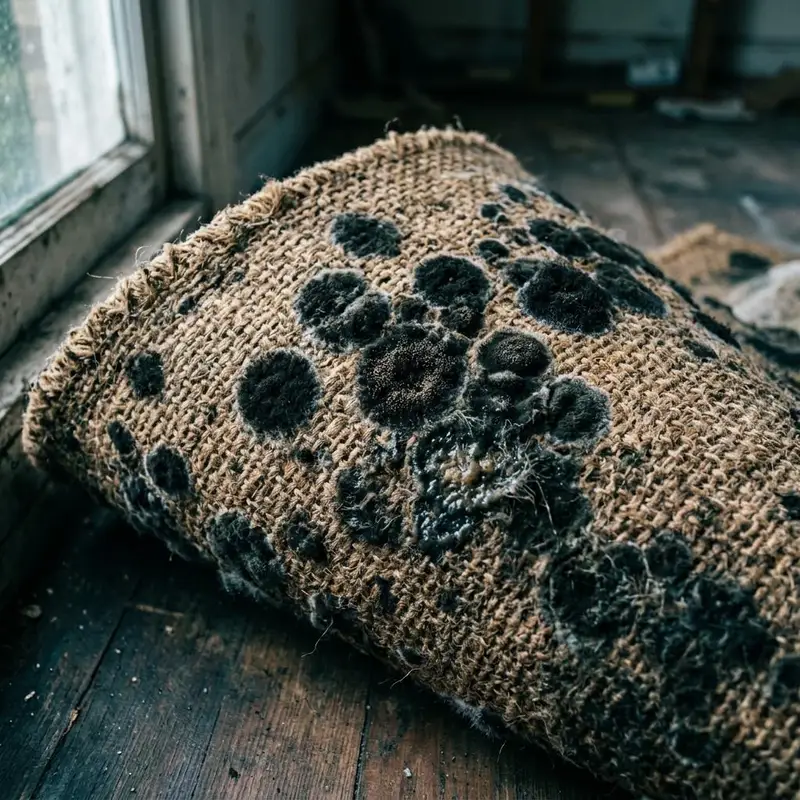
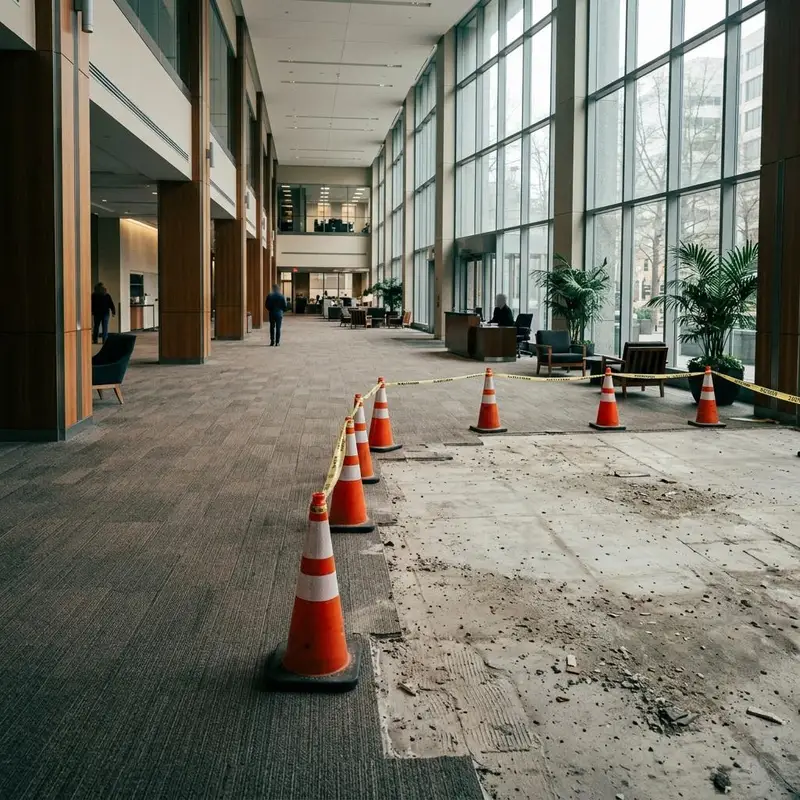
Then comes the removal. In many cases, the carpet and padding have to be cut out and disposed of. But that is not the end. The subfloor has to be treated. This is where anti-microbial spray and products like Concrobium come in. These treatments kill the remaining mold and leave a residue that discourages future growth. After that, the area needs structural drying. Drying is not just about leaving a fan on. It means controlling the relative humidity in the room, often with industrial dehumidifiers, until the moisture levels are safe.
Why DIY Methods Fall Short
Bleach is the most common DIY weapon against mold. And it does kill mold on hard, non-porous surfaces. But carpet is porous. The mold roots burrow into the fibers and the padding. Bleach cannot reach those roots. Worse, bleach is mostly water. When you apply it to carpet, you are adding moisture to a problem that is already caused by moisture. In some cases, that extra water can make the mold worse.
Another issue is that DIY cleaning rarely addresses the air quality. Mold spores become airborne during cleaning. Without proper containment and air scrubbing, you can end up inhaling a lot of spores. That is especially dangerous if you have allergies, asthma, or a compromised immune system. The EPA has clear guidelines on mold remediation, and they emphasize the importance of containment and personal protective equipment. Most homeowners do not have access to that equipment or the training to use it safely.
I remember a job where a homeowner had tried to clean black mold from a bedroom carpet three times over two years. Each time, the mold came back within a few months. When we finally pulled up the carpet, we found that the crawl space below the room had a slow leak from a pipe. The moisture was seeping up through the subfloor. The homeowner had been treating the symptom, not the cause. Professional carpet mold cleanup would have identified that moisture source early.
The Link Between Mold and Your Home's Systems
Mold in carpet is rarely an isolated problem. It is often connected to larger issues with the building envelope. Leaky windows, poor roof drainage, or gaps in the foundation can allow moisture to enter. The HVAC system can also play a role. If the ductwork is not sealed properly, it can pull humid air from a crawl space or basement and distribute it throughout the house. That warm, moist air then settles into carpets, creating an ideal environment for mold.
When we do a full remediation, we always check the HVAC system. If the ducts are contaminated, we may recommend a fogging treatment or the use of an ozone generator to sanitize the air handling system. These are not steps you would take in a typical household cleaning. They require specialized equipment and knowledge of how the system works.
Who Needs This Service
Professional carpet mold cleanup is not just for extreme cases. It is for anyone who has:
- Persistent musty odors that do not go away with airing out the room
- Visible mold growth on carpet, especially near exterior walls or bathrooms
- A history of flooding, leaks, or high indoor humidity
- Health symptoms that improve when you leave the house
- Carpet installed over concrete slabs or in basements where moisture wicks up
If any of these sound familiar, it is worth having a professional inspection. A good contractor will use a moisture meter and thermal imaging to find hidden problems. They will also measure the relative humidity in the room. If it is consistently above 60 percent, you have a moisture problem that needs to be addressed before any cleaning will stick.
The restoration industry has developed effective methods for dealing with mold in carpet. But those methods rely on proper assessment and equipment. A contractor who skips the containment step or uses a cheap vacuum without a HEPA filter is not doing the job right. Look for someone who follows the EPA's mold remediation guidelines and uses industry-standard practices.
Prevention After Cleanup
Once the mold is gone, the goal is to keep it gone. That means controlling moisture at the source. Fixing leaks, improving ventilation, and keeping indoor humidity below 50 percent are the basics. In some cases, you may need to address the crawl space or basement with a vapor barrier or a dehumidifier. If the carpet is in a room that stays damp, you might consider replacing it with tile or hardwood.
Regular vacuuming with a HEPA vacuum helps reduce dust and spores. But vacuuming alone will not stop mold if the moisture problem remains. Think of professional carpet mold cleanup as part of a larger strategy for maintaining a healthy home. It is not a one-time fix. It is a step in managing your indoor environment.
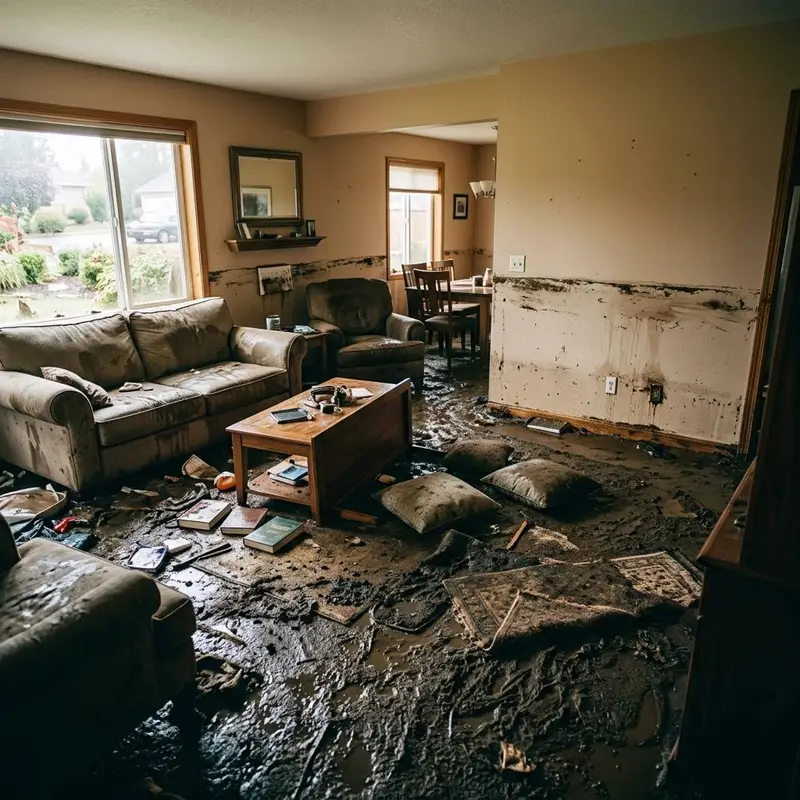
I have worked in homes where the mold was so bad that the carpet literally fell apart when we lifted it. In those cases, the homeowners had been living with the problem for years, not realizing how much it was affecting their health and their home. The cost of professional remediation is small compared to the cost of replacing a subfloor or dealing with chronic respiratory issues.
Trusting the Process
Mold remediation is a science. It involves understanding how moisture moves through a building, how spores travel, and how to create conditions that kill mold without damaging the structure. Professional carpet mold cleanup uses that science. It is not about guessing or hoping. It is about following a repeatable abatement protocol that has been proven to work.
If you are dealing with carpet mold, do not wait. The longer it sits, the deeper it goes. And the deeper it goes, the more expensive the fix becomes. Call a professional who uses the right tools - air scrubbers, HEPA vacuums, moisture meters, and containment barriers - and who understands that the goal is not just to make the carpet look clean, but to make the room safe again.